
Episode Scope Guide
Structured viewing notes for Inside Crime Scene (狮城奇案之罪案现场) — organised by narrative arc, not spoiler reveal.
This guide accompanies the series on meWATCH. Each section describes what to observe during viewing: tonal shifts, forensic detail density, bilingual moments worth pausing, and structural patterns that recur across the season. We avoid naming perpetrators, final twists, or case resolutions unless clearly marked in a spoiler subsection.

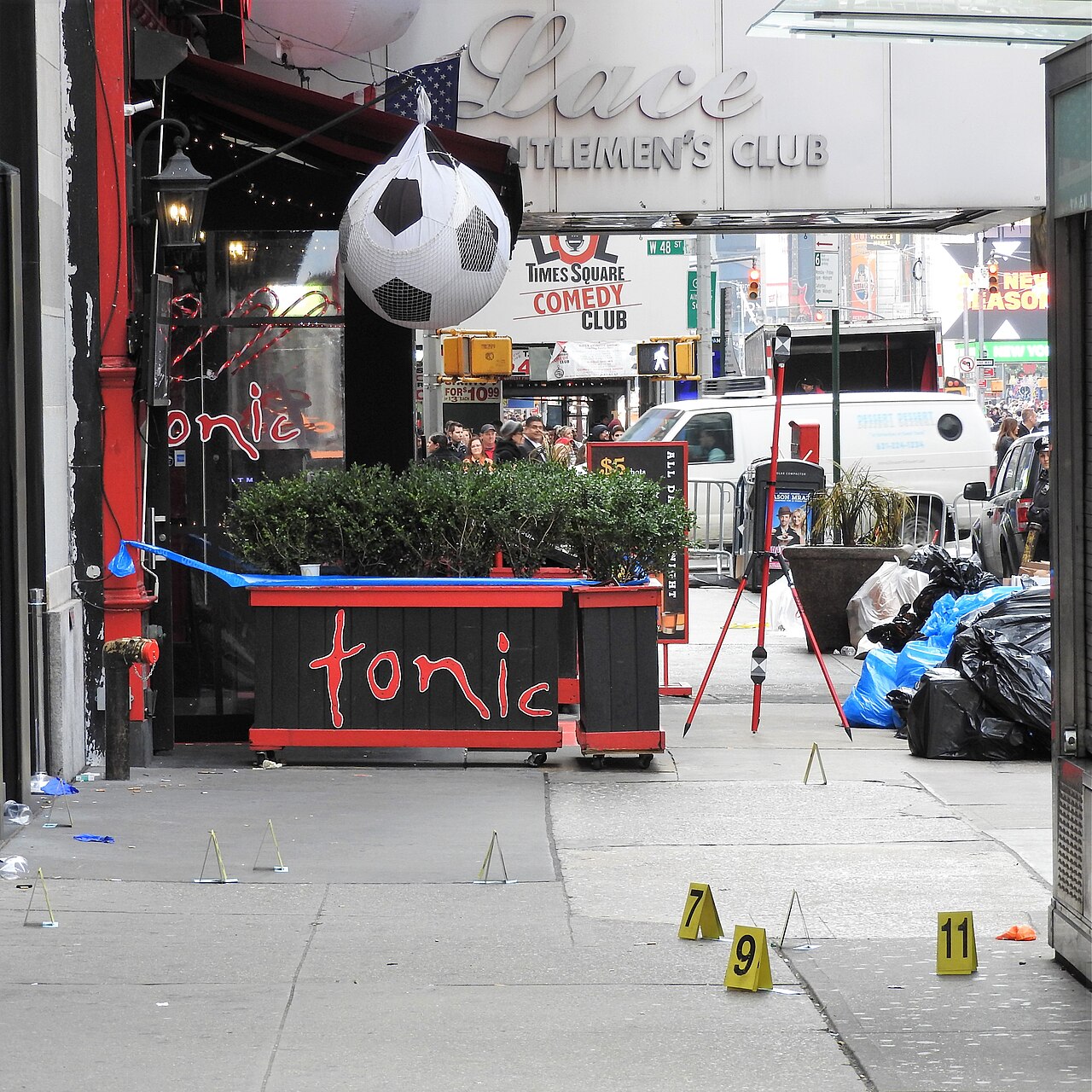
Arc 01 — Opening Case: Scene Establishment
The series opens by establishing its dual register: procedural precision and human cost. Pay attention to how location scouting anchors cases in recognisable Singapore environments — HDB estates, commercial corridors, and institutional buildings. The opening arc introduces the investigative team and their working rhythms: briefing room dynamics, evidence bagging protocol, and the transition from crime scene to laboratory.
Scope notes: Notice the ratio of Mandarin dialogue to on-screen text (case numbers, evidence labels). Subtitles often carry legal terms that differ slightly from spoken colloquial Mandarin. The first episode sets visual templates — overhead crime-scene photography, close-ups on gloved hands, wide shots of cordoned areas — that repeat with variation throughout the season.
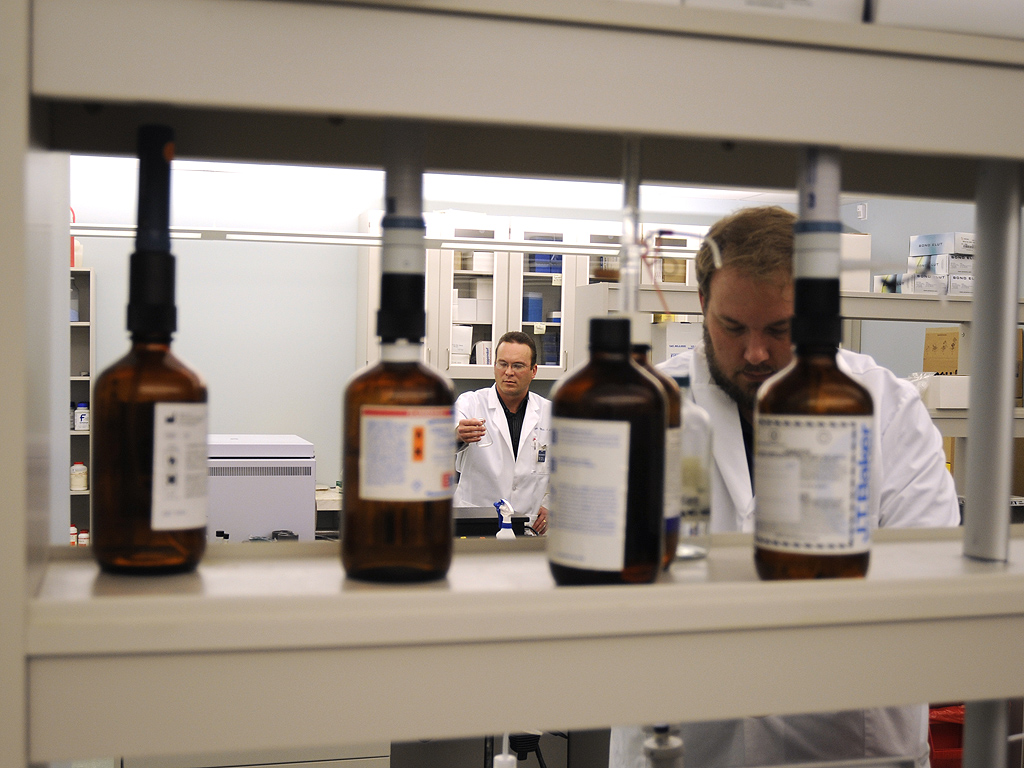
Arc 02 — Forensic Laboratory Sequence
Laboratory episodes shift pacing from field urgency to analytical method. Watch for how the series balances technical exposition with character interaction. Microscopy, chemical testing, and digital forensics each receive dedicated screen time. The production uses cool teal colour grading in lab environments, contrasting with the amber-toned outdoor scenes — a visual cue SeriesScope tracks across episodes.
Scope notes: Pause if you need to read evidence tags on screen; they sometimes foreshadow connections before dialogue confirms them. See our forensic framing guide for camera technique analysis during lab reveals.

Arc 03 — Witness Interview Arc
Interview sequences test the series' bilingual strengths. Witnesses may code-switch between Mandarin, English, and dialect-influenced speech. meWATCH subtitles compress some utterances — our bilingual viewing guide explains when to rely on audio over captions.
Scope notes: Observe room composition during interviews: table placement, mirror walls, and the investigator's position relative to the witness signal power dynamics. Emotional beats often land in silence after subtitle lines end.
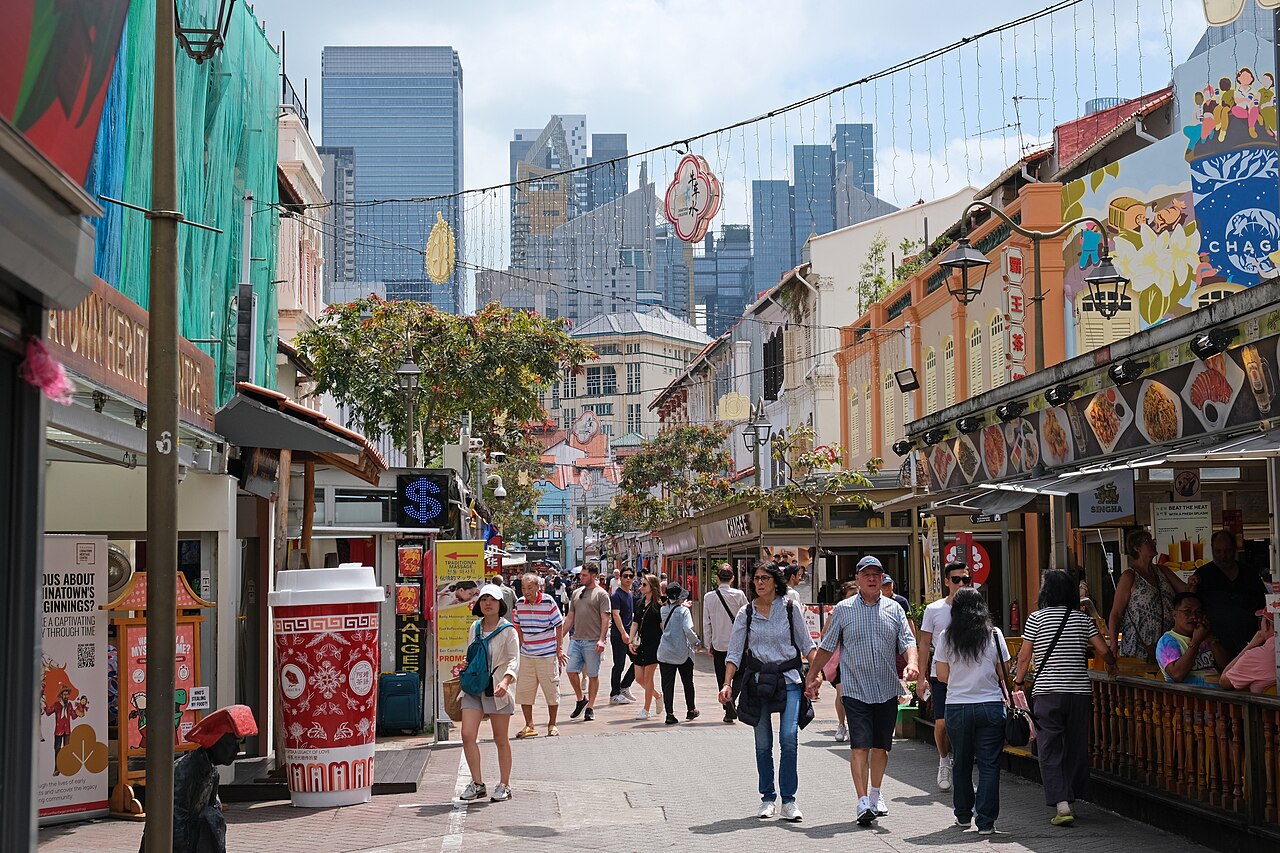
Arc 04 — Field Investigation Thread
Field work episodes reconnect the laboratory findings to physical space. Revisit locations from earlier scenes; the series rewards viewers who remember background details from establishing shots. Mobile phone records, CCTV timelines, and transit routes feature prominently — reflecting investigation methods common in Singapore casework.
Scope notes: Track time-of-day consistency. Night scenes use sodium-vapour colour palettes; daytime exteriors emphasise humidity and architectural density characteristic of the city-state.
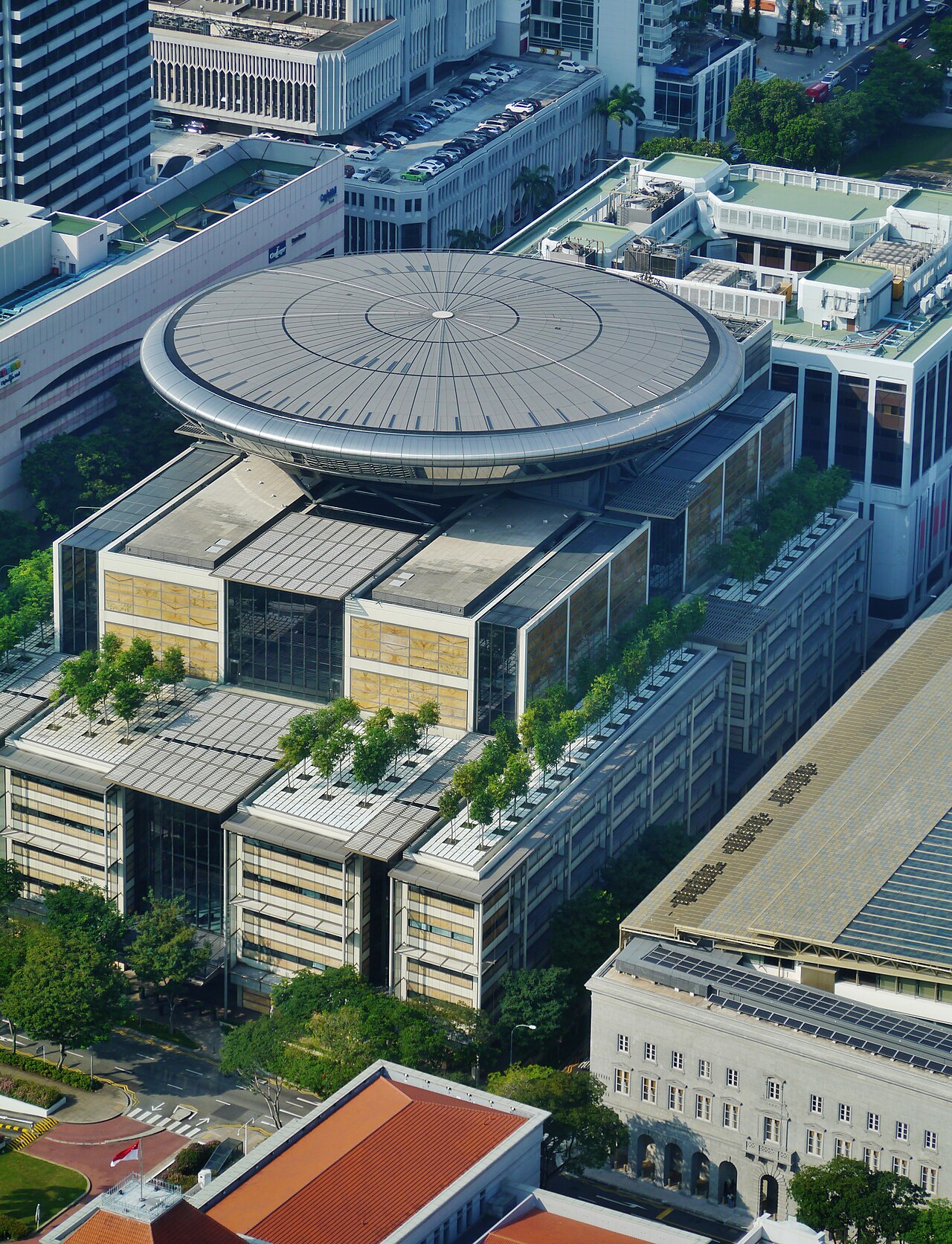
Arc 05 — Courtroom Presentation
Courtroom arcs introduce formal legal language and structured argument. Evidence admissibility, chain-of-custody challenges, and expert testimony drive tension. Even if you are unfamiliar with Singapore's criminal procedure, the visual storytelling clarifies stakes through reaction shots and procedural objections.
Scope notes: Compare subtitle translations of legal Mandarin terms with their English equivalents. Some terms have no direct single-word translation; the series often lets both languages carry complementary meaning.
Arc 06 — Cold Case Re-examination
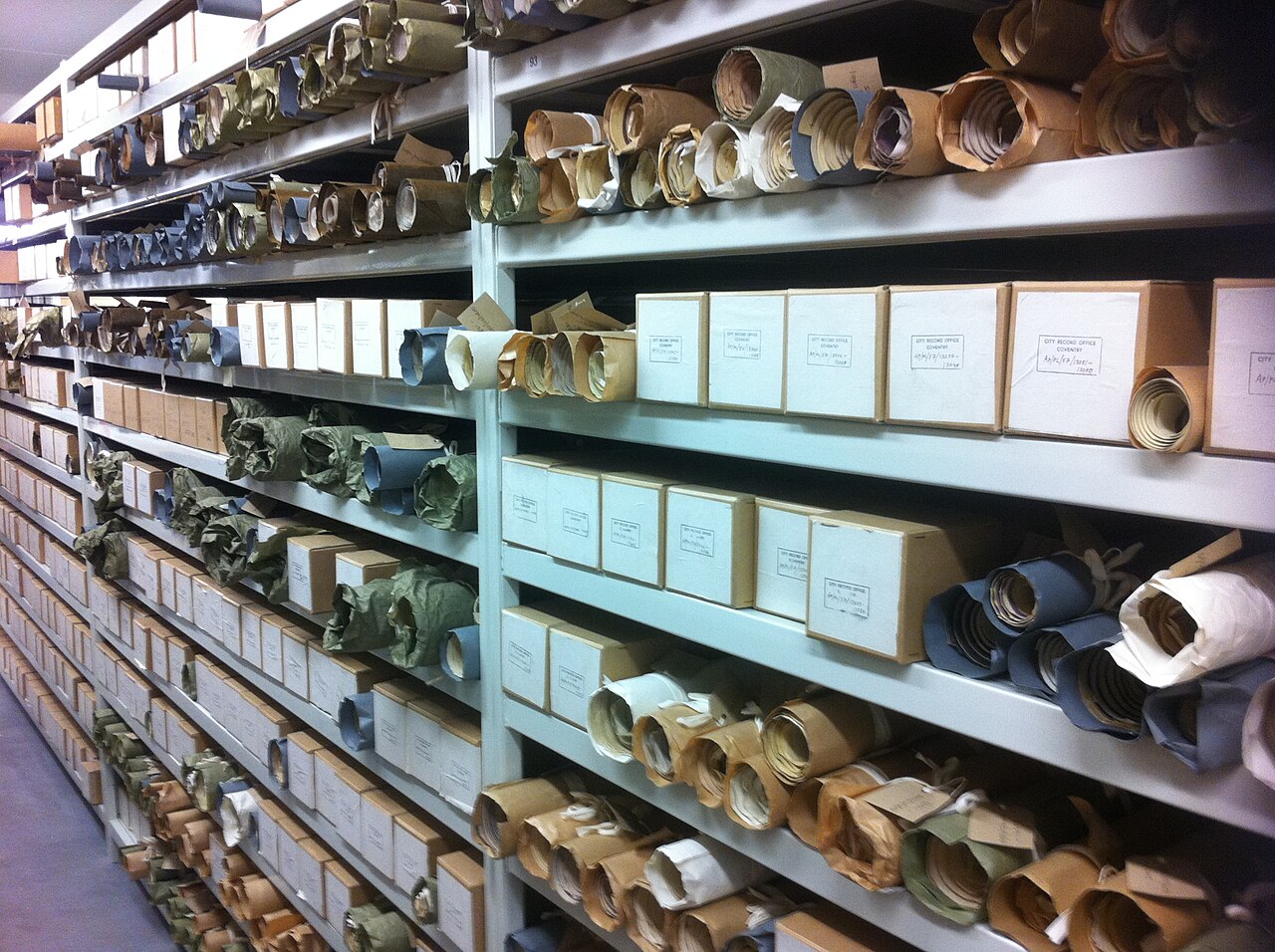
Mid-season cold case episodes revisit unresolved files with fresh forensic technology. These arcs emphasise institutional memory — how teams document, store, and retrieve evidence over years. The narrative pace slows intentionally, inviting comparison with the urgency of the opening case.
Scope notes: Watch for archival footage styling and dated evidence labels. The production distinguishes time periods through colour grading and costume detail rather than explicit timestamps.
Arc 07 — Inter-agency Coordination
Multi-agency episodes map how Singapore's investigative ecosystem collaborates. Briefings include specialists from forensic science, digital analysis, and field operations. These scenes can feel dialogue-heavy; they reward attentive listening for organisational acronyms and jurisdictional boundaries.
Scope notes: Diagram the investigation on paper as you watch — the series occasionally introduces parallel threads that converge in later episodes.
Arc 08 — Resolution and Aftermath
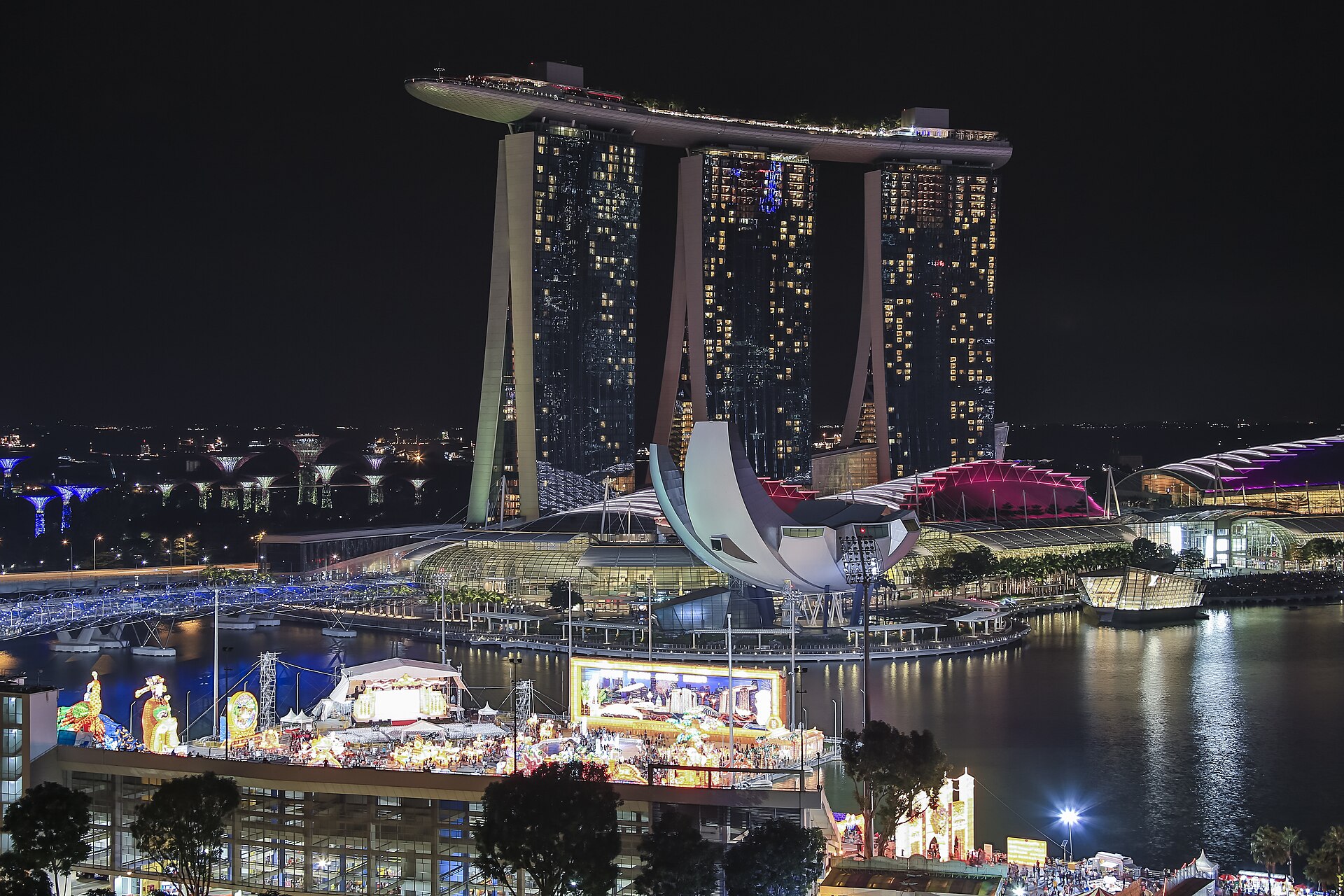
Closing arcs balance case resolution with character consequence. The series avoids purely celebratory endings; aftermath scenes consider media scrutiny, victim family impact, and team fatigue. Without revealing outcomes, we note that the final episodes mirror the opening's scene-establishment technique — returning to wide urban shots that contextualise individual cases within the city fabric.
Scope notes: Compare your episode index notes from Arc 01 with the closing imagery. The series uses bookend composition to reinforce its thematic scope: crime as both individual tragedy and social phenomenon.
How to Use This Guide
Read each arc section before or after viewing the corresponding episodes on meWATCH. Combine with our forensic framing and bilingual viewing pages for a complete scope experience. Corrections and additions welcome at [email protected].