
Forensic Framing
How Inside Crime Scene uses camera language to mirror investigative perspective — and what to watch for.
The Magnifying Lens Metaphor
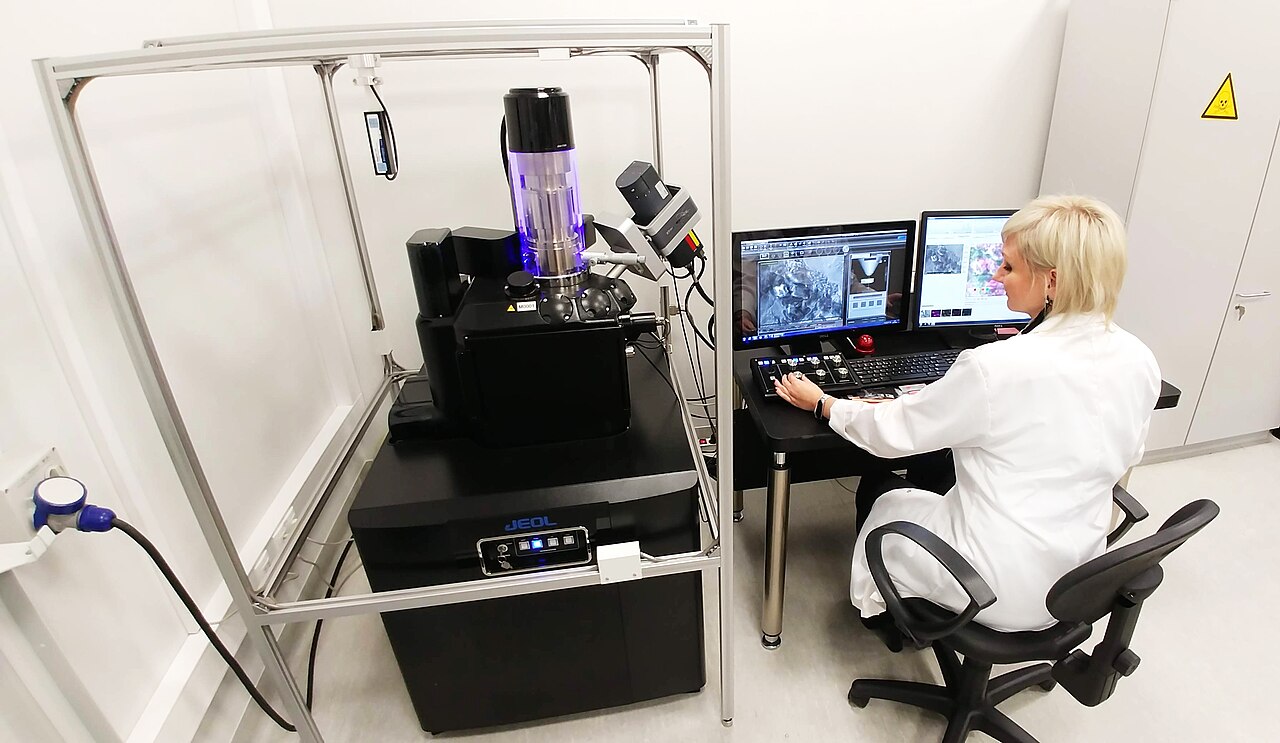
SeriesScope takes its name from the act of scoping — narrowing focus to examine detail. 狮城奇案之罪案现场 employs a similar visual logic. Crime scenes often open with wide establishing shots that situate evidence within environment, then progressively tighten to gloved hands, evidence markers, and finally macro inserts of physical traces. This zoom progression mimics the investigative workflow: context first, detail second, interpretation last.
Colour Grading as Narrative Signal
The series uses distinct colour palettes to signal location type. Outdoor Singapore scenes lean warm — amber street lighting, humid haze, sun-bleached concrete. Laboratory interiors shift toward cool teal and charcoal tones, aligning with the SeriesScope site aesthetic for good reason: the production team clearly distinguishes analytical space from field space through colour temperature alone.
Courtroom and interview rooms occupy a neutral middle ground — flatter lighting, desaturated walls — forcing attention onto faces and spoken testimony rather than environment. When rewatching, note how colour temperature changes before dialogue announces a location shift.
Evidence Reveal Timing
Forensic framing is not only about where the camera points but when it chooses to show. The series frequently presents evidence objects before characters verbally identify them. A tagged envelope, a scratched phone screen, or a mismatched footwear impression may appear in frame several seconds before the script names it. Attentive viewers can attempt inference; the series rewards patience without requiring forensic expertise.
Point-of-View and Ethical Distance
Unlike some crime dramas that adopt the perpetrator's perspective, Inside Crime Scene largely maintains investigator-aligned framing. Flashback sequences — when they occur — are visually marked through soft focus, altered aspect ratio, or desaturation. This ethical distance keeps the viewer positioned as observer rather than participant in wrongdoing, consistent with the procedural genre's conventions.


Static vs. Mobile Camera Work
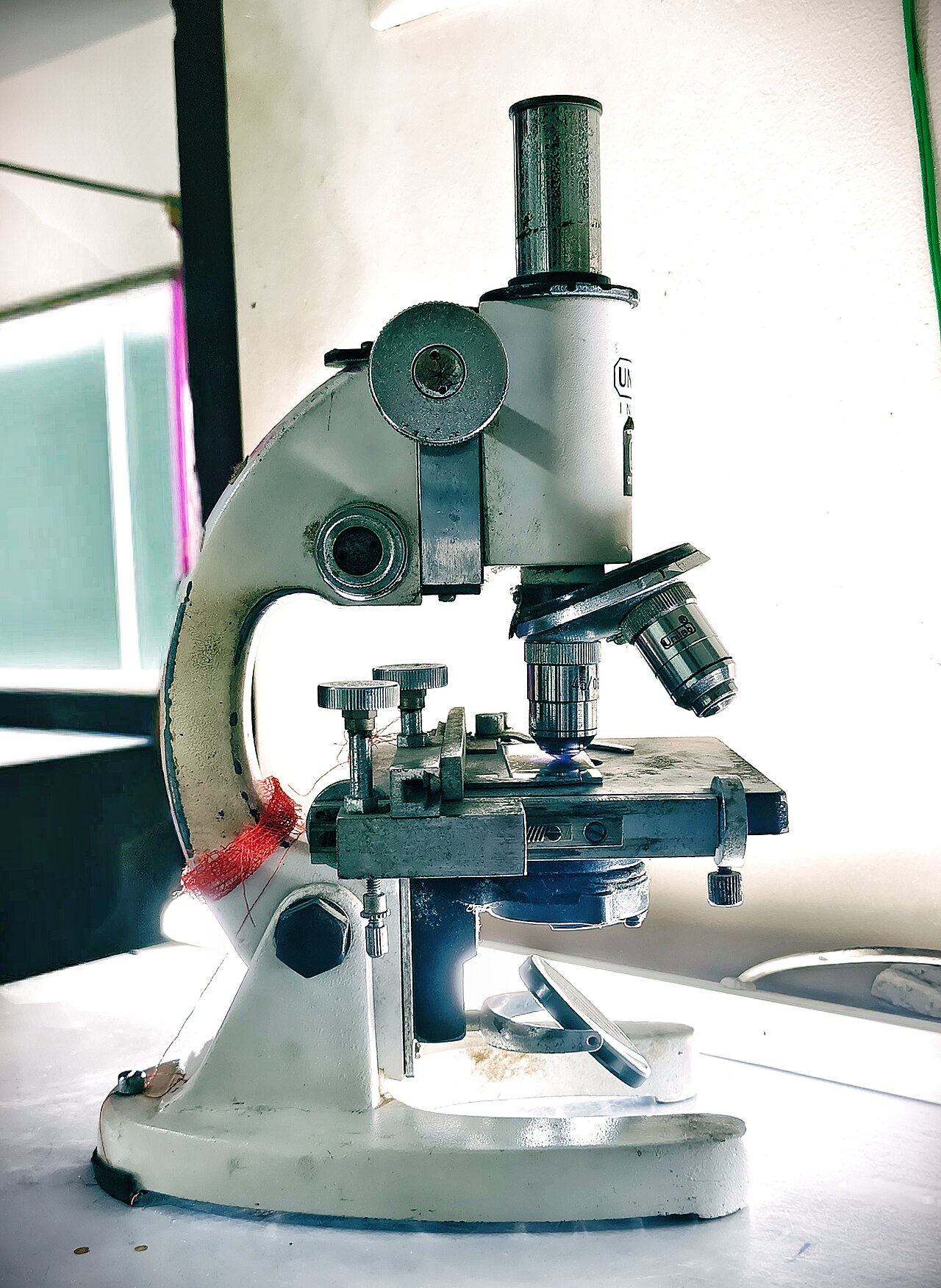
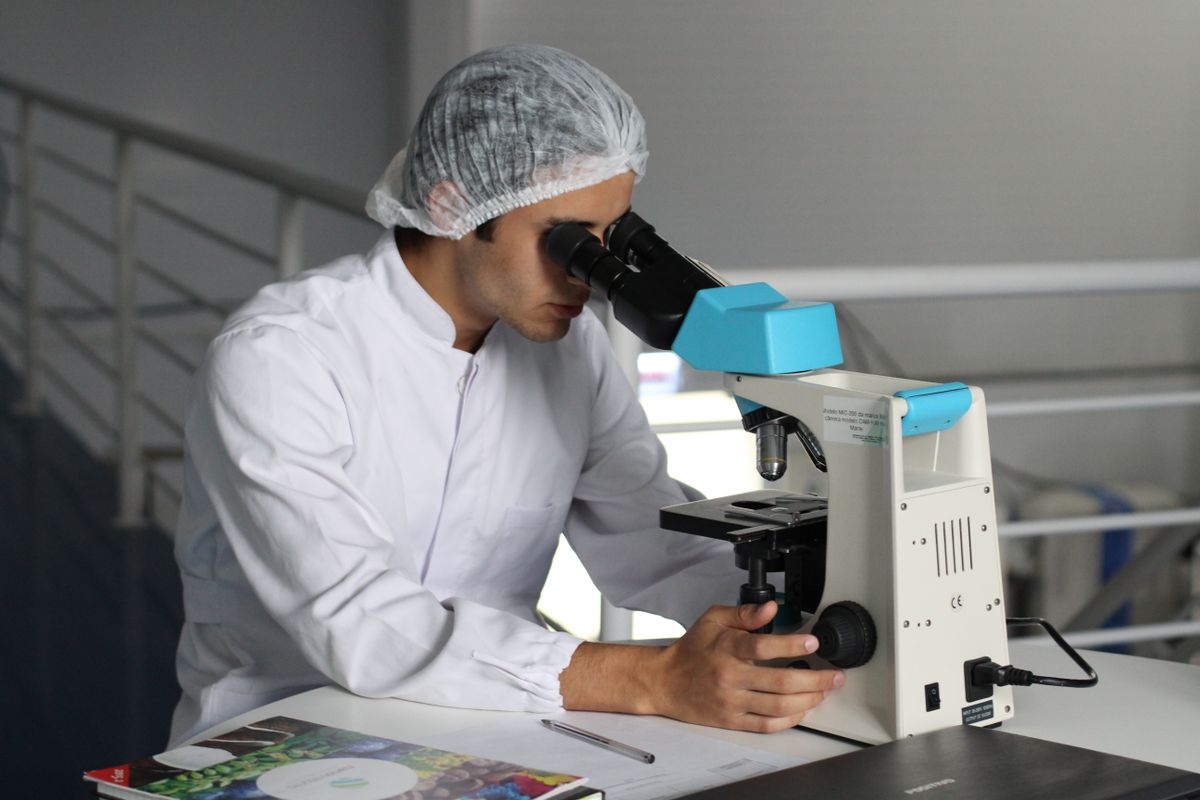
Field scenes use handheld mobility to convey urgency; laboratory and courtroom scenes favour stable, locked-off compositions that communicate methodical process. The contrast is deliberate. When handheld shake appears in a lab scene, it usually signals emotional disruption — a result that contradicts expectations or a personal connection to the evidence.
Practical Viewing Exercise
During your next episode on meWATCH, mute dialogue for one forensic sequence and observe whether the visual narrative alone conveys discovery progression. Then rewatch with sound and note what the bilingual subtitles add. Combine findings with our episode scope guide and bilingual viewing page.